News
Home / News / Company News / What are the core differences between PVC edge banding, ABS edge banding, and laser edge banding?


 en
en 
The core differences lie in material properties, application process, and environmental performance:
PVC edge banding (Polyvinyl Chloride): Lower cost, good flexibility, suitable for standard straight-line and slightly curved edges. However, its heat and weather resistance are relatively average, and it may age or discolor under prolonged high temperatures.
ABS edge banding (Acrylonitrile Butadiene Styrene): Plasticizer-free, offering better environmental friendliness. It is harder, more wear-resistant, and has superior heat and impact resistance. The finished edge looks finer, making it ideal for high-end furniture.
Laser edge banding: Features a special laser-activated layer pre-coated on the back of ABS or PP material. This layer melts instantly under laser equipment, creating a seamless weld-like bond. It requires no extra adhesive, provides extremely high bonding strength, and offers the best waterproofing and aesthetic results, representing an advanced direction in edge banding technology.
If you have any questions, please fill out the contact form at the bottom of the page and contact us.
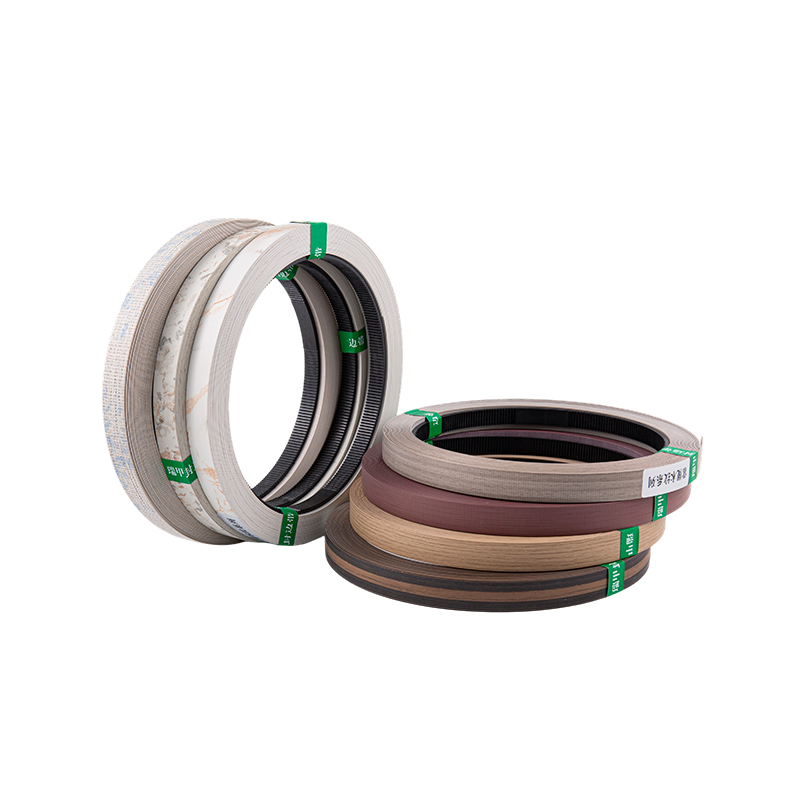 Conventional Furniture Embossed Wood Grain PP Edge Banding
ABS Conventional Wood Grain Edge Banding for Kitchen Cabinets and Furniture
Conventional Furniture Embossed Wood Grain PP Edge Banding
ABS Conventional Wood Grain Edge Banding for Kitchen Cabinets and Furniture
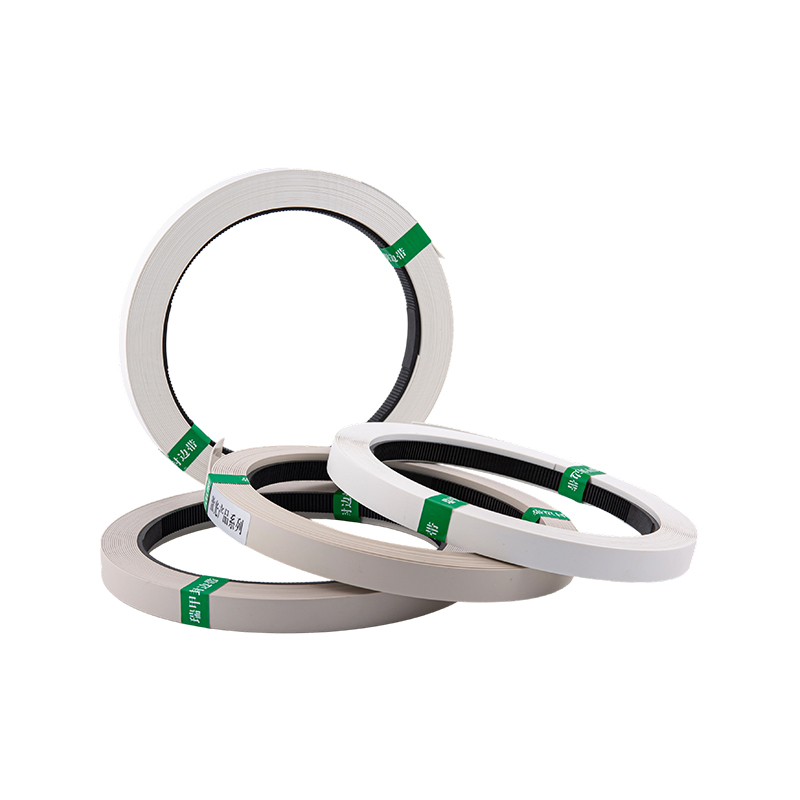 No-Melt Glue ABS Laser Edge Banding
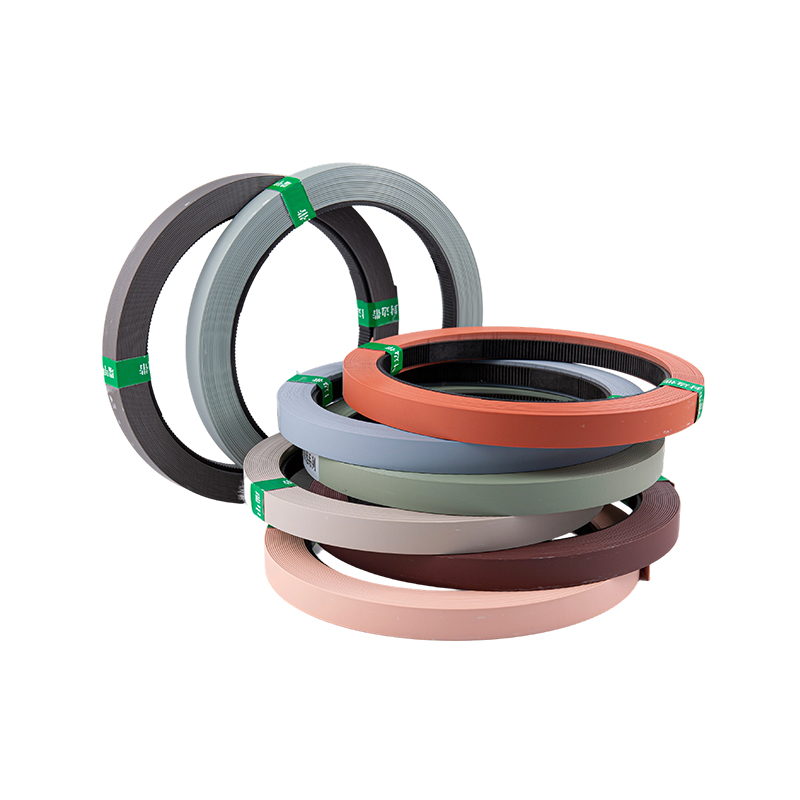 ABS Skin-Feel Edge Banding for Cabinets and Doors
Realistic Wood Grain Look PVC Traditional Wood Grain Edge Banding For Furniture And Cabinets
Ultra Soft Touch Anti-Stain PVC Super Skin-Feel Edge Banding
ABS Skin-Feel Edge Banding for Cabinets and Doors
Realistic Wood Grain Look PVC Traditional Wood Grain Edge Banding For Furniture And Cabinets
Ultra Soft Touch Anti-Stain PVC Super Skin-Feel Edge Banding


No. 655, Zhenxing South Road, Zhongguan Town, Deqing County, Huzhou City, Zhejiang. China

+86-15957128510
+86-572-8462169

leo.yang.ruijia@outlook.com


 Previous