ABS Edge Banding
Laser edge banding features a special polymer functional layer (laser-activated layer) pre-coated on the back. In a laser edge-banding machine, the laser energy precisely activates this layer, melting...
Read More

 en
en 
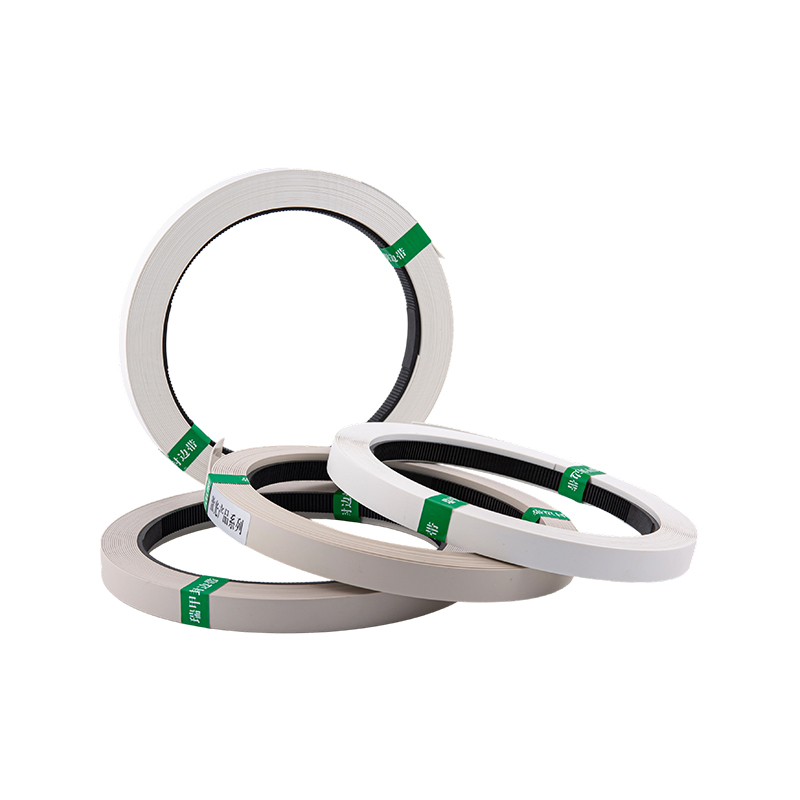
ABS Laser Edge Banding: Seamless Bonding Technology to Enhance Production Efficiency and Appearance
Product Introduction:
ABS Laser edge banding utilizes specialized equipment and bonding materials, eliminating the need for preheating steps and hot melt adhesives, thereby streamlining the production process and reducing operation time to improve overall efficiency. After edge banding, the surface shows no visible glue lines, achieving a seamless bonding effect. Based on ABS material, this product offers high-temperature resistance and anti-shrinkage properties, ensuring stability in various environments. All color and pattern designs are compatible with laser edge banding processes, meeting diverse customization needs.
Core Advantages:
No preheating or hot melt adhesives required, shortening production cycles
Seamless bonding appearance with no residual glue lines
ABS material provides high-temperature resistance and anti-shrinkage performance
Full range of colors and patterns compatible with laser edge banding processes
Product Features:
Utilizes specialized equipment and bonding materials for easy operation
Smooth surface after edge banding with no glue line traces
ABS material ensures high-temperature resistance up to specific standards and strong anti-shrinkage
Supports various color and pattern customizations to meet laser edge banding requirements
Application Scenarios:
Suitable for furniture manufacturing, interior decoration, cabinet production, and office facilities, laser edge banding can be used for panel edge treatment to enhance product appearance neatness and durability, meeting the demands of high-efficiency production lines.
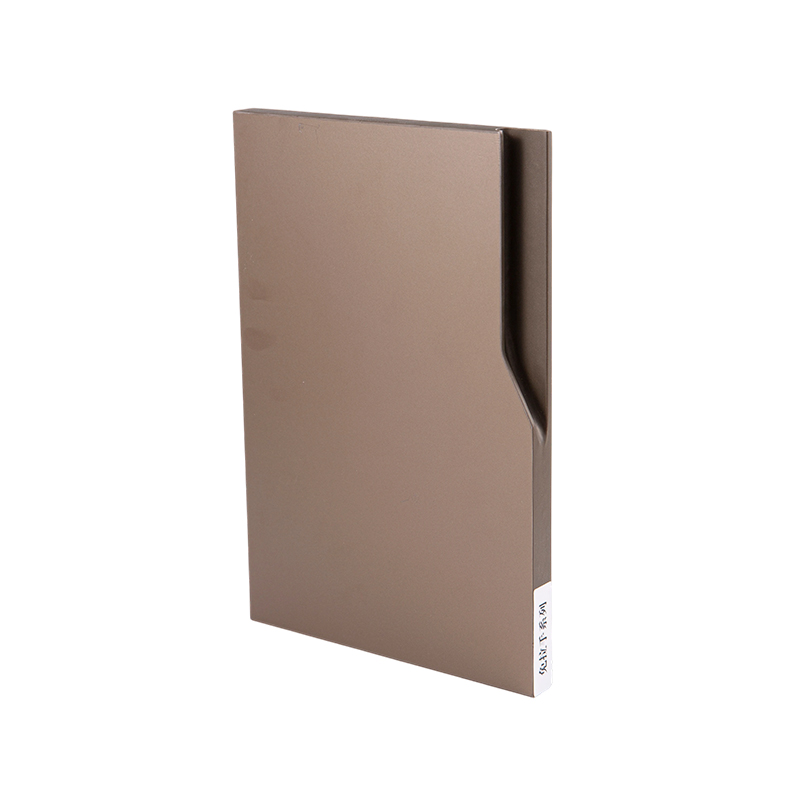 Handle-Free Edge Banding – The Invisible Handle Of Modern Furniture (Available In U/J/C Profiles)
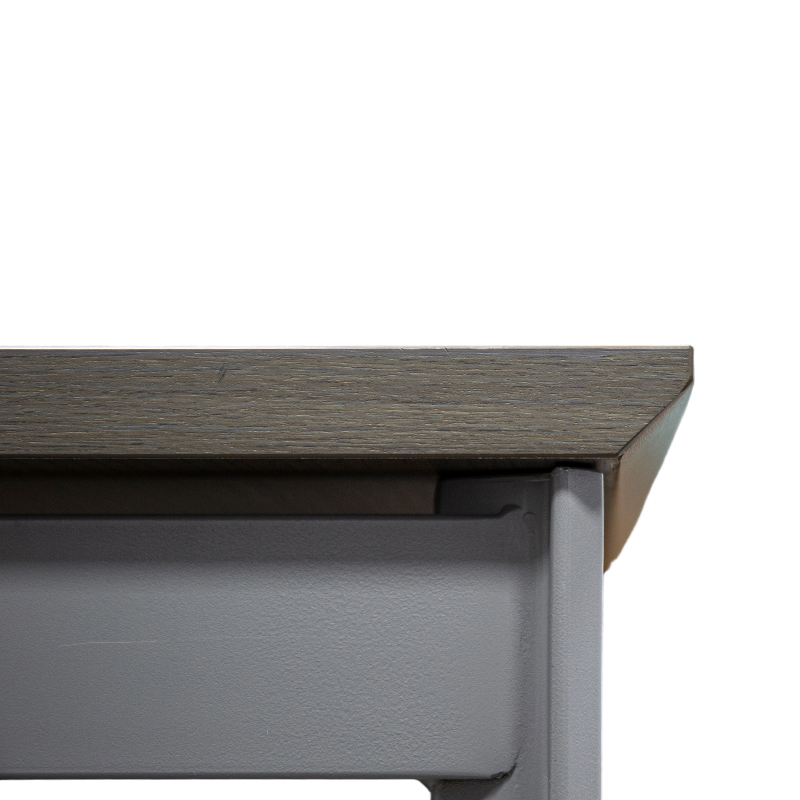 Universal Application Beveled Edge Banding
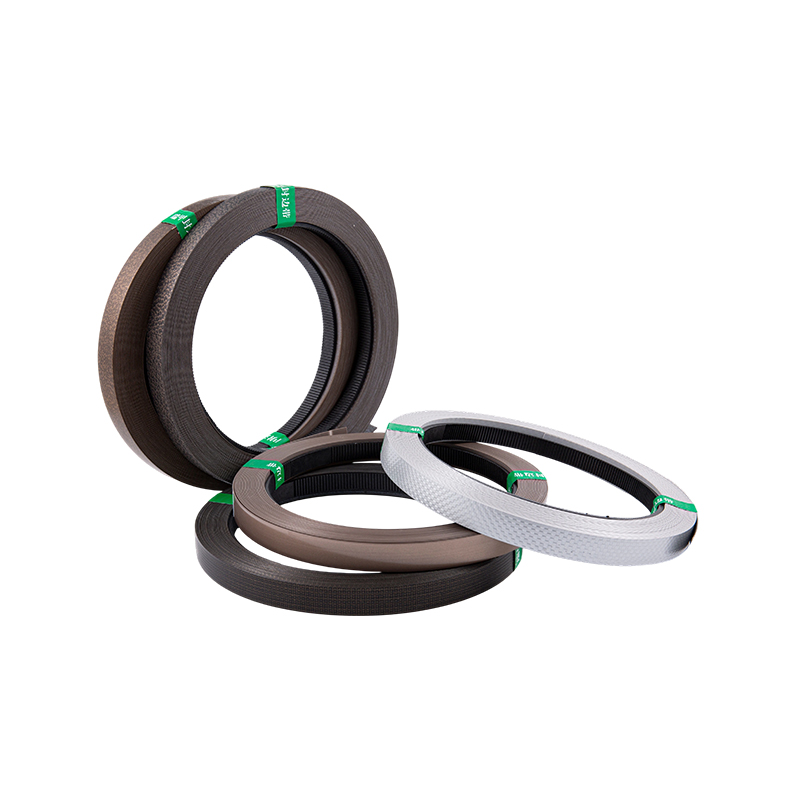 Liquid Metal Edge Banding with Matching Metal Powder
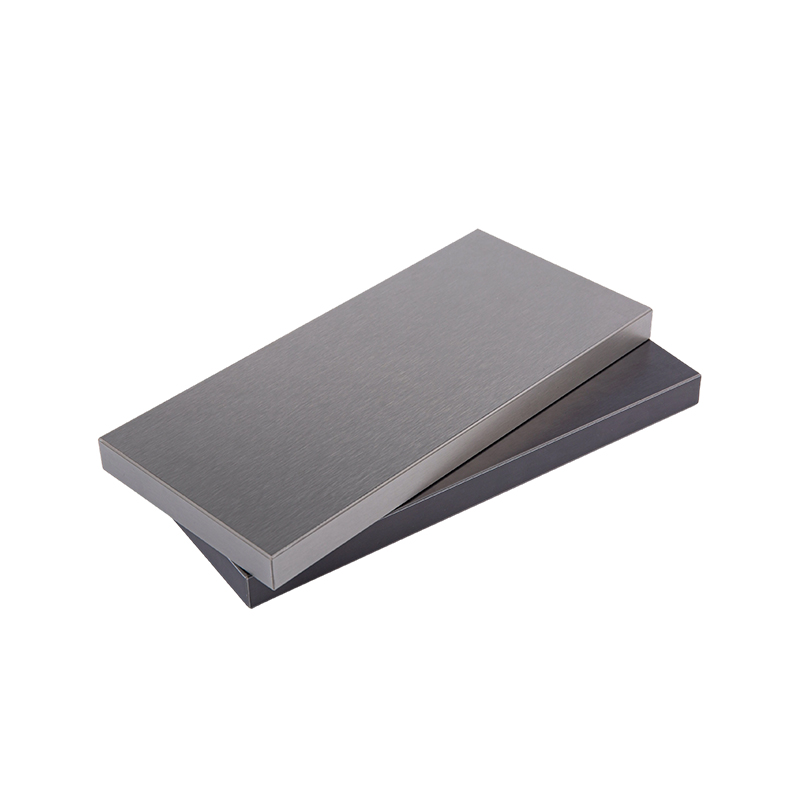 Oil and Moisture Proof Aluminum Edge Banding
Premium Flexible PP Laser Edge Banding
Oil and Moisture Proof Aluminum Edge Banding
Premium Flexible PP Laser Edge Banding
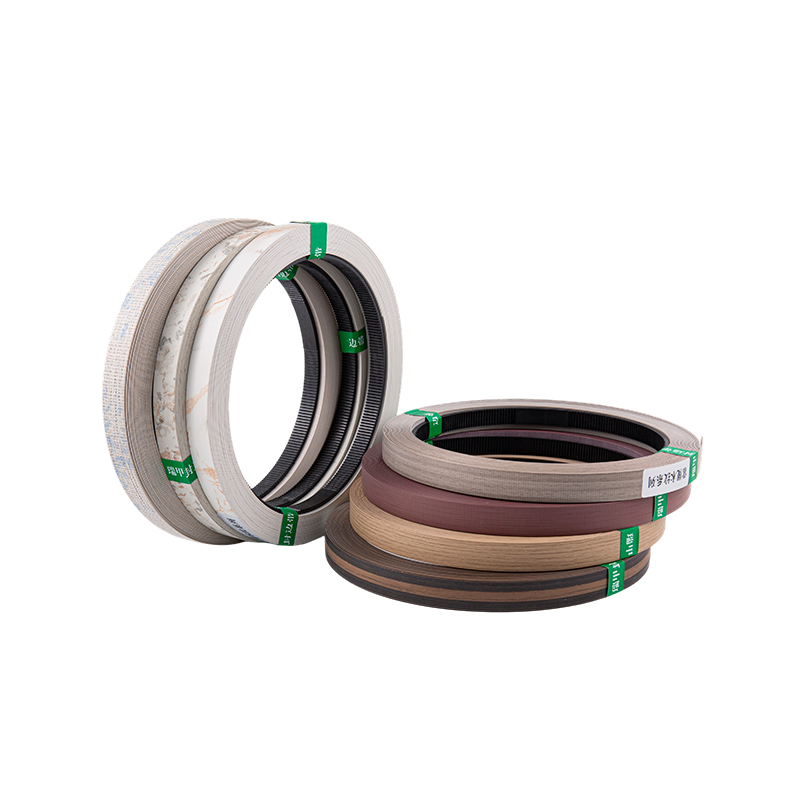 Conventional Furniture Embossed Wood Grain PP Edge Banding
ABS Conventional Wood Grain Edge Banding for Kitchen Cabinets and Furniture
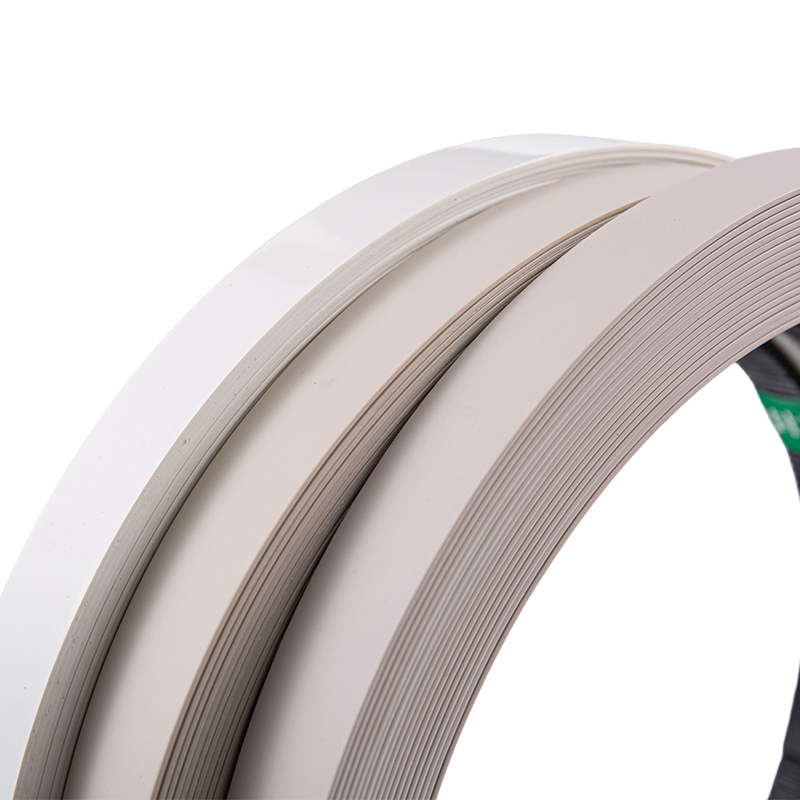
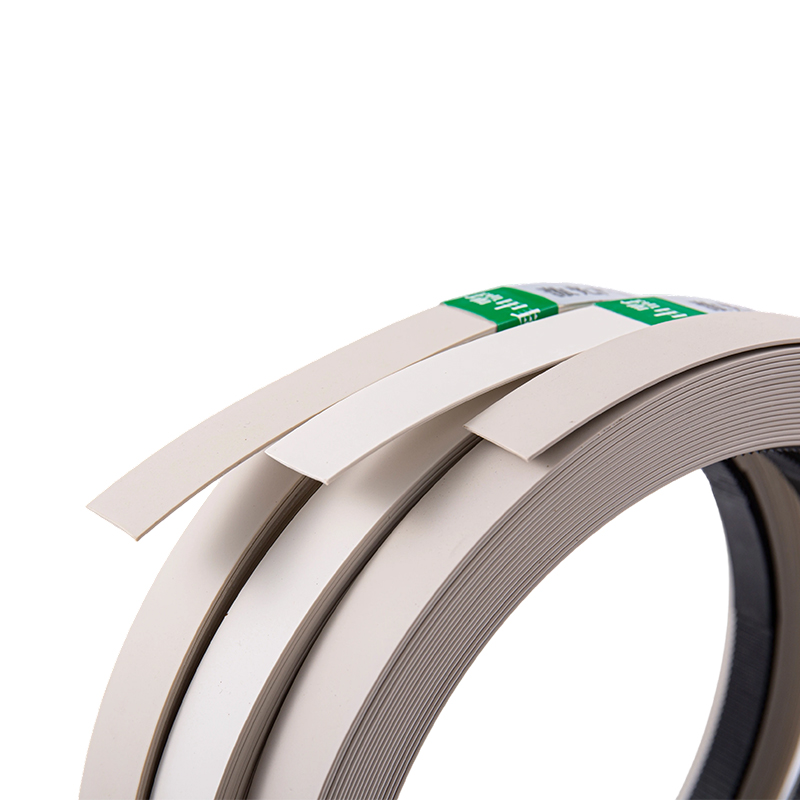
No-Melt Glue ABS Laser Edge Banding
Conventional Furniture Embossed Wood Grain PP Edge Banding
ABS Conventional Wood Grain Edge Banding for Kitchen Cabinets and Furniture
No-Melt Glue ABS Laser Edge Banding
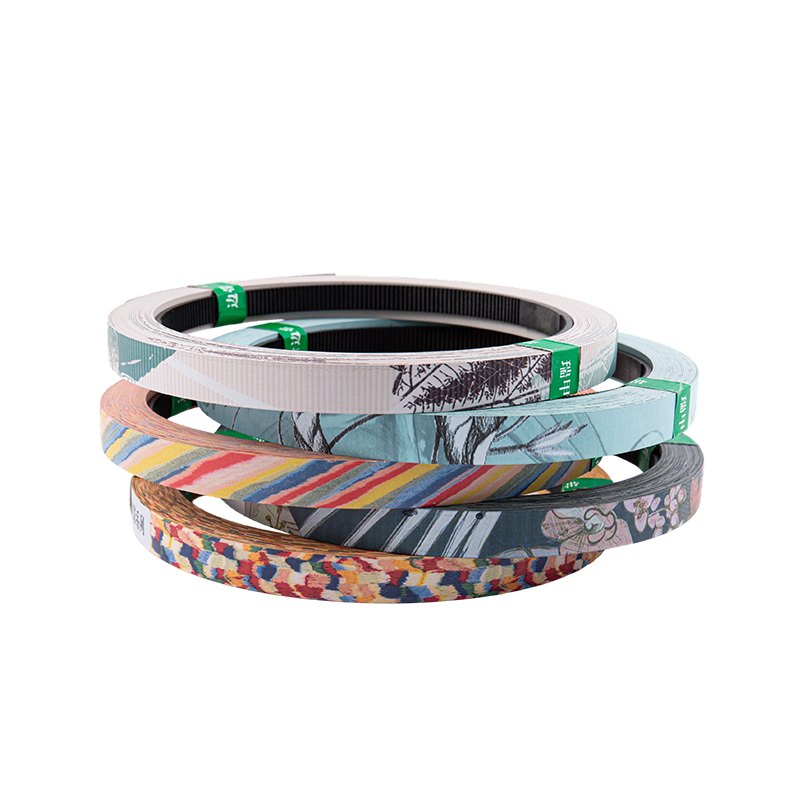 ABS Digital Printed Edge Banding for Cabinets and Doors
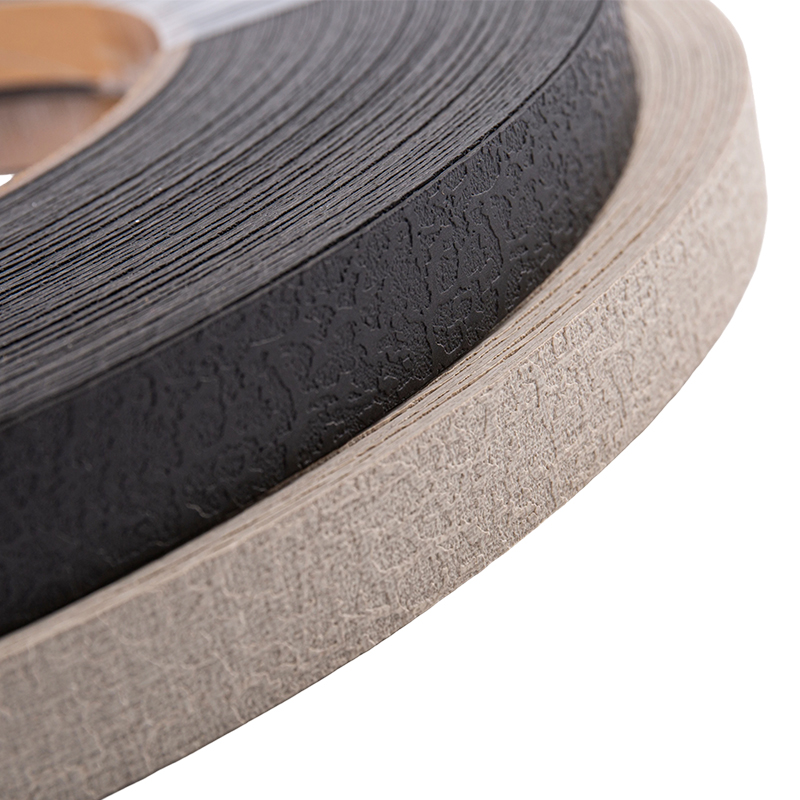 ABS Deeply Embossed Edge Banding Strip for Furniture Decoration
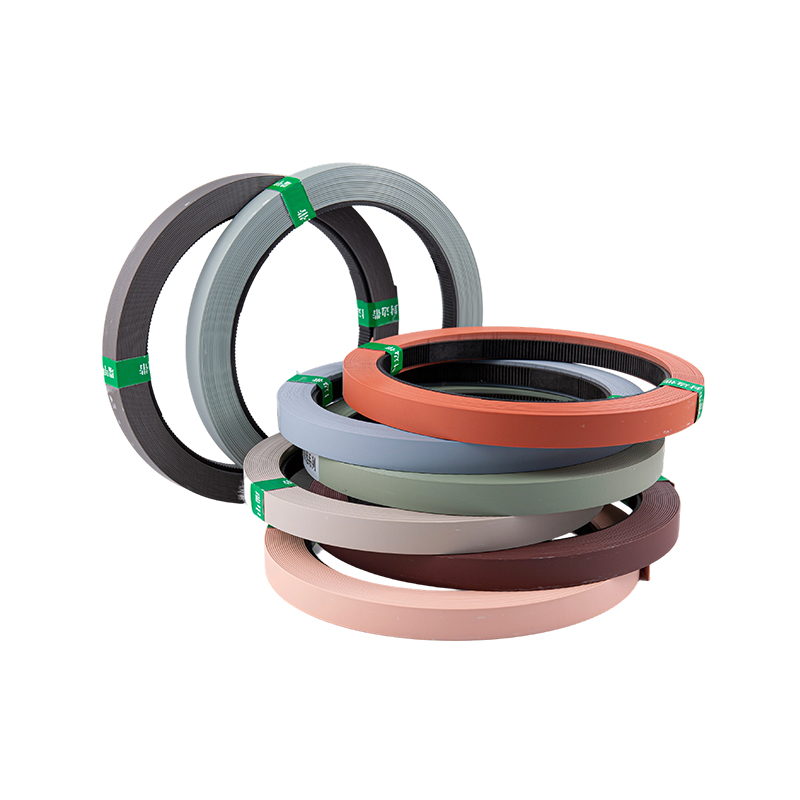 ABS Skin-Feel Edge Banding for Cabinets and Doors
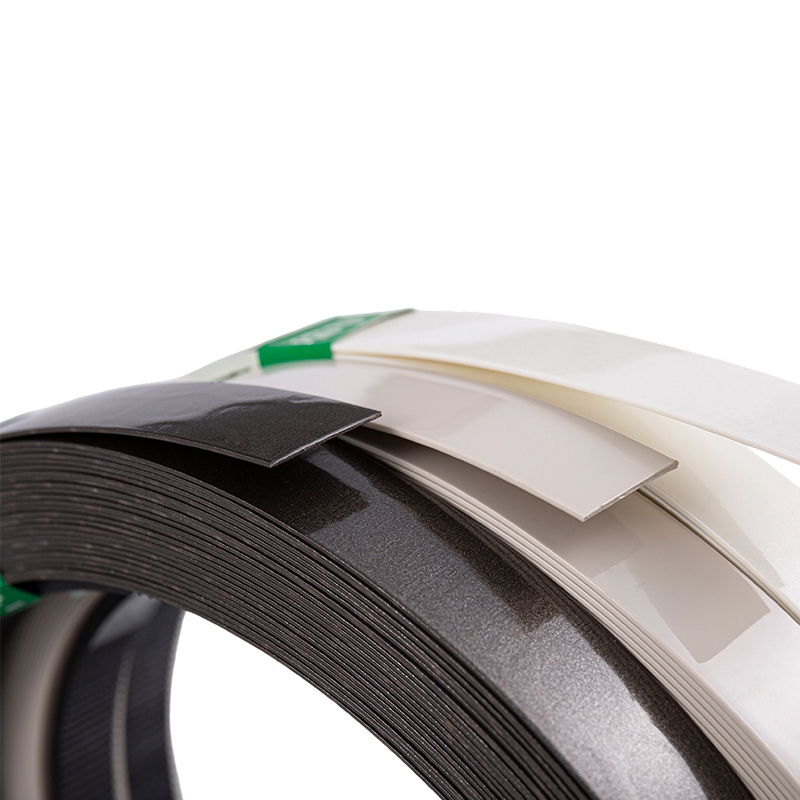 ABS High-Gloss Edge Banding For Furniture
Laser edge banding features a special polymer functional layer (laser-activated layer) pre-coated on the back. In a laser edge-banding machine, the laser energy precisely activates this layer, melting...
Read MorePVC typically requires the addition of plasticizers to achieve flexibility. Some plasticizers (e.g., phthalates) may pose health concerns, and PVC releases chlorine-containing gases when burned. A...
Read MoreCommon issues include: Delamination or cracking after edging: Usually caused by improper temperature settings on the edge-banding machine or mismatched adhesive. Use dedicated hot-melt glue and stri...
Read MoreStandard residential furniture (wardrobes, bookshelves) : PVC edge banding is recommended for its high cost-effectiveness, rich color options, and ability to meet daily use needs. High-end custom ...
Read MoreThe core differences lie in material properties, application process, and environmental performance: PVC edge banding (Polyvinyl Chloride): Lower cost, good flexibility, suitable for standard straig...
Read More

No. 655, Zhenxing South Road, Zhongguan Town, Deqing County, Huzhou City, Zhejiang. China

+86-15957128510
+86-572-8462169

leo.yang.ruijia@outlook.com

