

About Ruijia

The Aesthetics of Edging,
Originate from Ruijia.

Zhejiang Ruijia Intelligent Technology Co., Ltd.
  • Zhejiang Ruijia Intelligent Technology Co., Ltd.

    11+

    Industry
    Experience

  • Zhejiang Ruijia Intelligent Technology Co., Ltd.

    100+

    Colors &
    Patterns

Zhejiang Ruijia Intelligent Technology Co., Ltd.

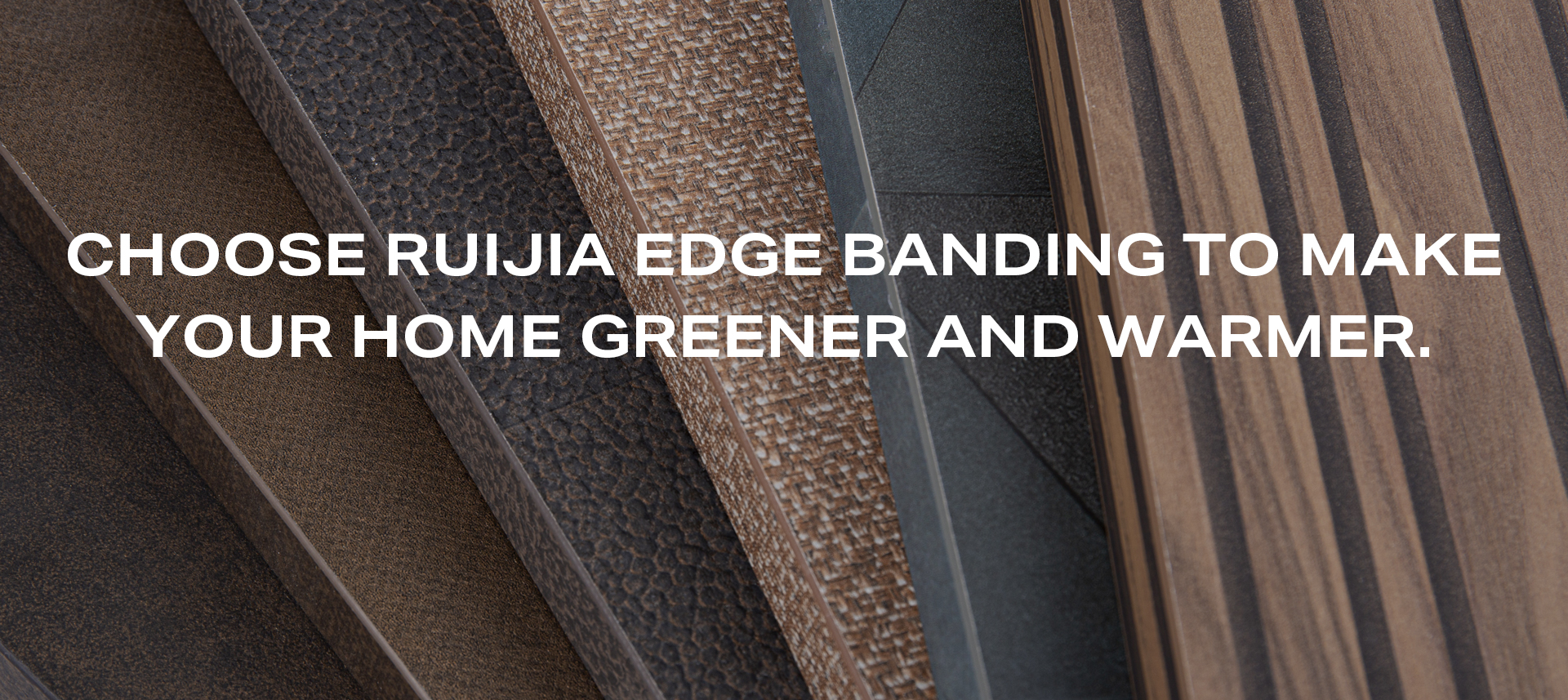
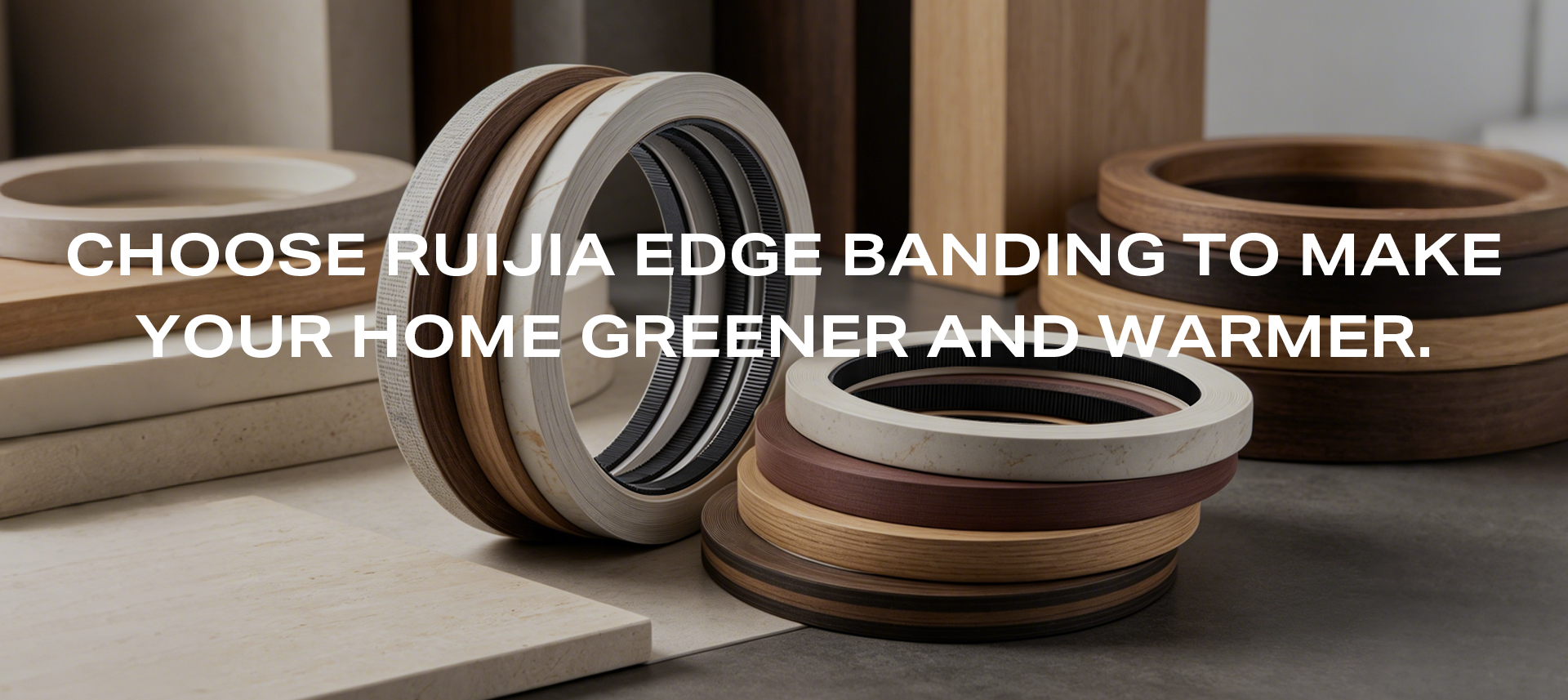
Zhejiang Ruijia Intelligent Technology Co., Ltd., founded in 2014, is a high-tech enterprise specializing in furniture edge-banding materials.

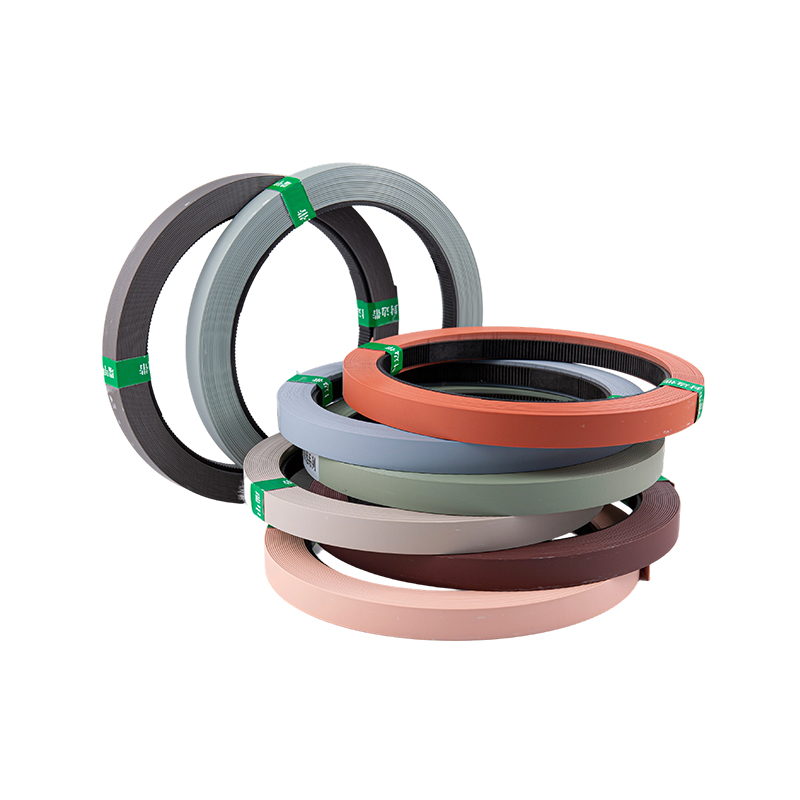
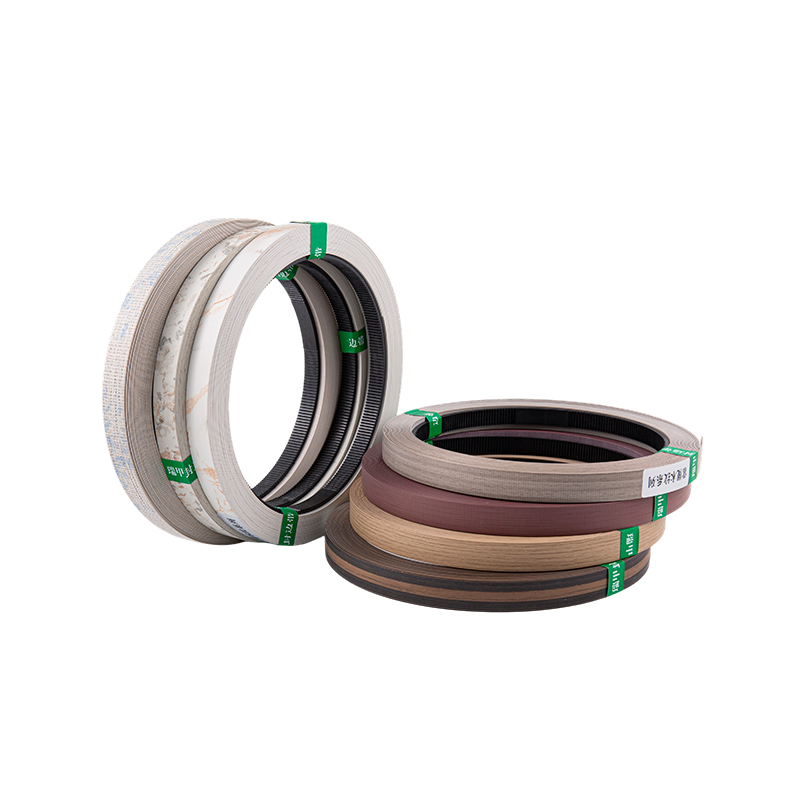
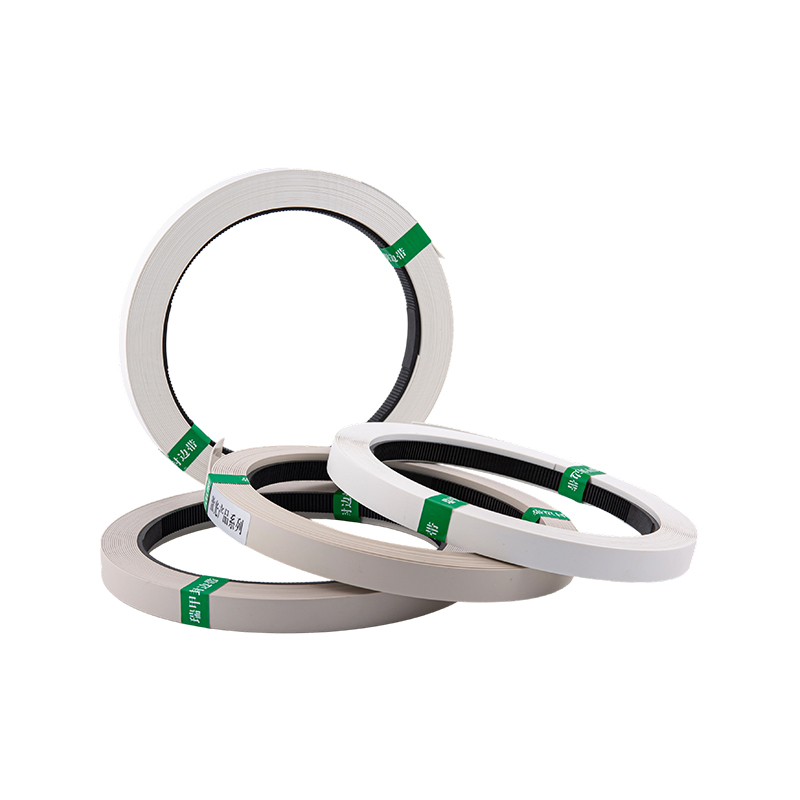
The company primarily manufactures a range of edge banding products, including ABS, PVC, laser, and push-to-open edge banding. Backed by over a decade of dedicated experience, we have cultivated a team of senior technicians with extensive industry expertise. Supported by more than 20 advanced production lines, our manufacturing processes are both mature and cutting-edge.

why choose

    Precision Craft
    High-precision extrusion and UV coating deliver smooth, elegant, and durable edge banding.
    Tailored Choice
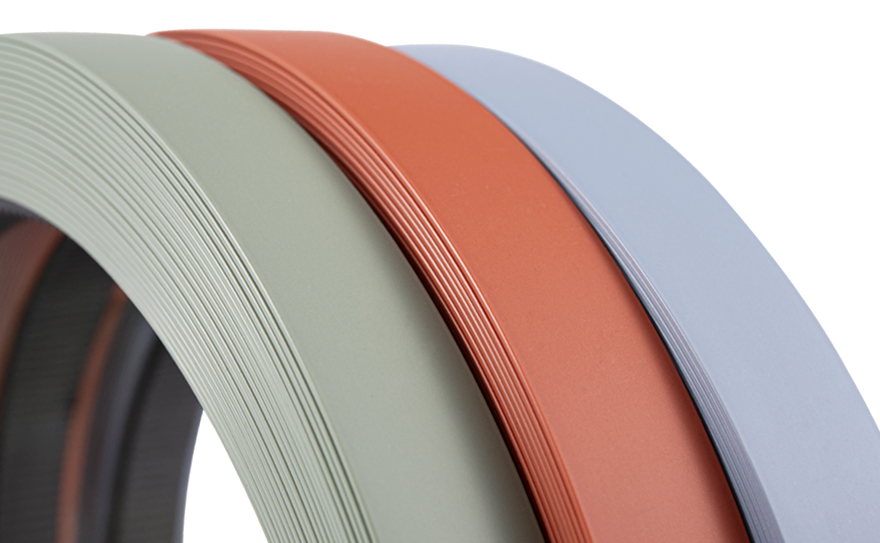
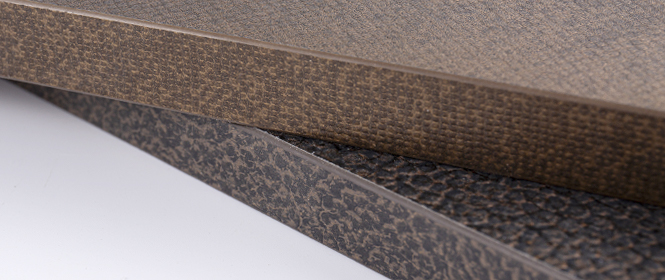
    A wide range of colors, textures,and sizes customized to fit unique design requirements.
    Green Standard
    Certified by REACH and RoHS, rigorously ensuring eco-friendly and safe edge banding solutions for your projects.
    Global Supply
    Our efficient supply chain and large-scale production securely guarantee fast delivery worldwide for you.
Application Scenarios
Intelligent Edgebanding
in Practice
Witness precision engineering and aesthetic perfection. From modern kitchens to commercial spaces, see how our specialized edge banding delivers the exact solution for every furniture manufacturing need.
Customized Furniture Discover Our Products
Kids & Elderly Furniture Discover Our Products
Kitchen & Bathroom Discover Our Products
Balcony Furniture Discover Our Products
Lab & Medical Furniture Discover Our Products
Recent News
News & Updates
How does laser edge banding achieve a
Aug 06, 2026
Laser edge banding features a special polymer functional layer (laser-activated layer) pre-coated on the back. In a laser edge-banding machine, the laser energy precisely activates this layer, melting it within milliseconds and triggering a chemical cross-linking reaction that creates a molecular-level fusion with the board edge—rather than a physical adhesive bond. As a result, there is no visible glue line, giving a truly seamless appearance. Equipment and process requirements: A dedicated laser edge-banding machine is required, not conventional hot-air or hot-melt glue machines. The board edge must be finely milled and smooth to ensure uniform laser energy absorption. Edging speed, laser power, and pressure must be precisely matched, typically controlled automatically by the machine. Since no glue pot preheating or glue residue cleaning is needed, production efficiency is higher and the workshop environment is cleaner.
How does laser edge banding achieve a "seamless" effect, and what equipment and process requirements are involved?
Why is ABS edge banding considered more environmentally friendly than PVC edge banding?
Aug 06, 2026
PVC typically requires the addition of plasticizers to achieve flexibility. Some plasticizers (e.g., phthalates) may pose health concerns, and PVC releases chlorine-containing gases when burned. ABS, on the other hand, does not require plasticizers due to its inherent flexibility and strength. Its production involves no chlorine-based components, and when burned, it mainly produces carbon dioxide and water vapor, with far lower toxicity than PVC. Additionally, ABS edge banding has better recyclability and aligns more closely with EU and US environmental standards. Ruijia Intelligent's ABS products are certified by authoritative EU and US institutions, ensuring safety and eco-friendliness.
Why is ABS edge banding considered more environmentally friendly than PVC edge banding?
What common issues may occur with PVC edge banding during use, and how can they be avoided?
Aug 06, 2026
Common issues include: Delamination or cracking after edging: Usually caused by improper temperature settings on the edge-banding machine or mismatched adhesive. Use dedicated hot-melt glue and strictly follow the machine's temperature parameters. Surface discoloration or yellowing: Often due to prolonged direct sunlight or high-temperature exposure. Use the product in areas without direct sunlight, or opt for weather-resistant PVC with UV inhibitors. Whitening at bends (stress whitening) : Caused by an overly small bending radius or excessive material thickness. Choose the appropriate edge banding thickness based on the board thickness and adjust the processing curvature. Ruijia Intelligent's PVC edge banding has passed SGS aging tests and incorporates high-quality stabilizers to effectively delay discoloration and degradation.
What common issues may occur with PVC edge banding during use, and how can they be avoided?
How to choose the right type of edge banding based on furniture application scenarios?
Aug 06, 2026
Standard residential furniture (wardrobes, bookshelves) : PVC edge banding is recommended for its high cost-effectiveness, rich color options, and ability to meet daily use needs. High-end custom furniture, kitchen cabinets, and bathroom vanities : ABS edge banding is preferred due to its excellent moisture, heat, and aging resistance, making it suitable for humid or high-temperature environments. It is also plasticizer-free, making it healthier and more eco-friendly. Minimalist luxury and seamless-design furniture : Laser edge banding is the top choice. It achieves an almost invisible joint with the board, offers a refined appearance, and provides superior water resistance, significantly reducing the risk of board swelling due to moisture. Office furniture or high-wear applications: Priority should be given to ABS or laser edge banding, as both have better surface hardness and abrasion resistance than standard PVC.
How to choose the right type of edge banding based on furniture application scenarios?
What are the core differences between PVC edge banding, ABS edge banding, and laser edge banding?
Aug 06, 2026
The core differences lie in material properties, application process, and environmental performance: PVC edge banding (Polyvinyl Chloride): Lower cost, good flexibility, suitable for standard straight-line and slightly curved edges. However, its heat and weather resistance are relatively average, and it may age or discolor under prolonged high temperatures. ABS edge banding (Acrylonitrile Butadiene Styrene): Plasticizer-free, offering better environmental friendliness. It is harder, more wear-resistant, and has superior heat and impact resistance. The finished edge looks finer, making it ideal for high-end furniture. Laser edge banding: Features a special laser-activated layer pre-coated on the back of ABS or PP material. This layer melts instantly under laser equipment, creating a seamless weld-like bond. It requires no extra adhesive, provides extremely high bonding strength, and offers the best waterproofing and aesthetic results, representing an advanced direction in edge banding technology.
What are the core differences between PVC edge banding, ABS edge banding, and laser edge banding?

