Aluminum Film Edge Banding: Surface Treatment Material with Metallic Texture and Practical Functions
Product Introduction
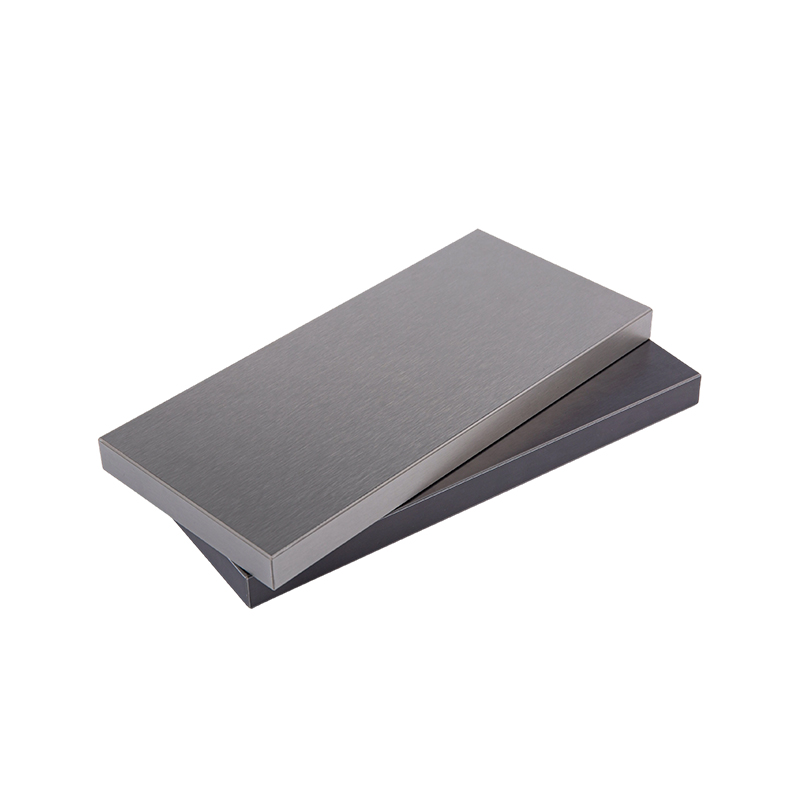
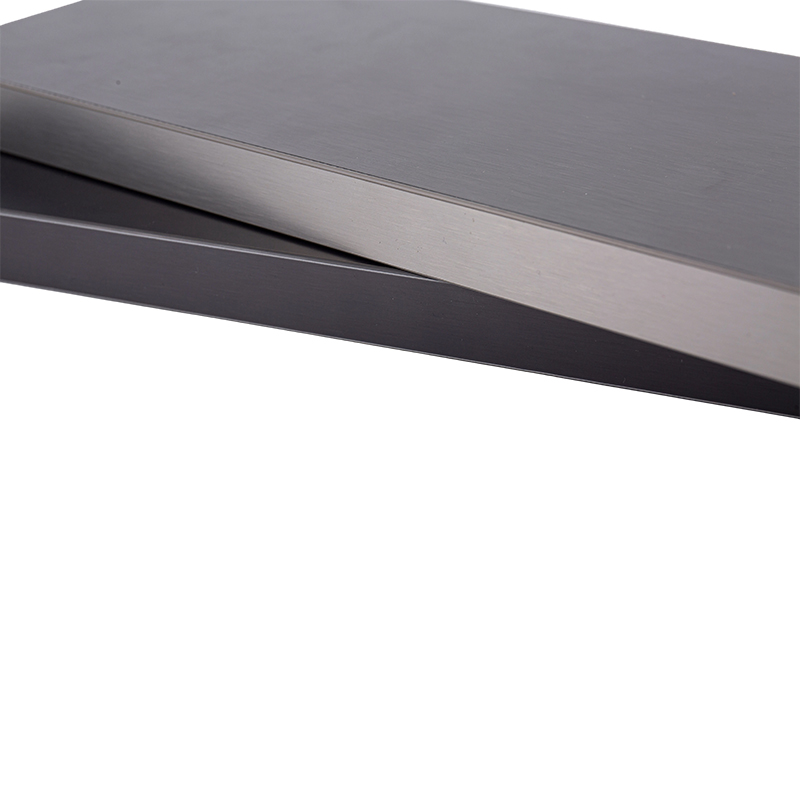
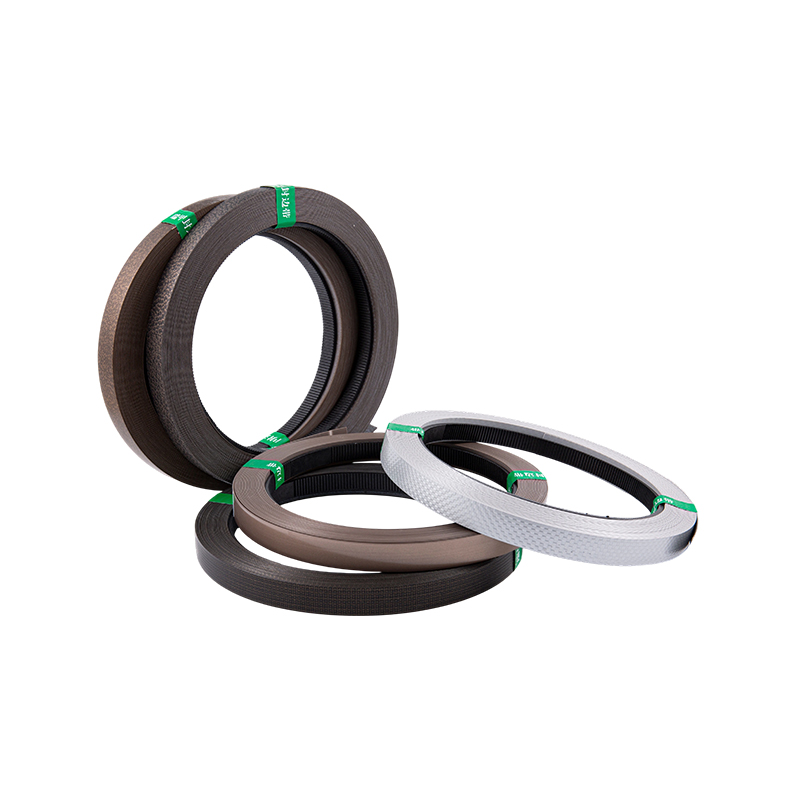
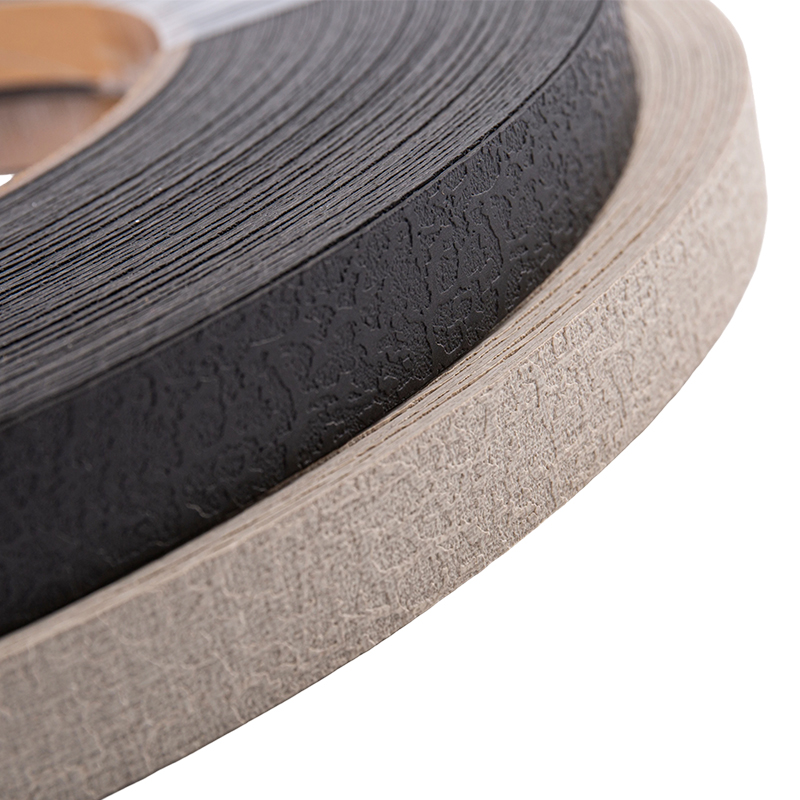
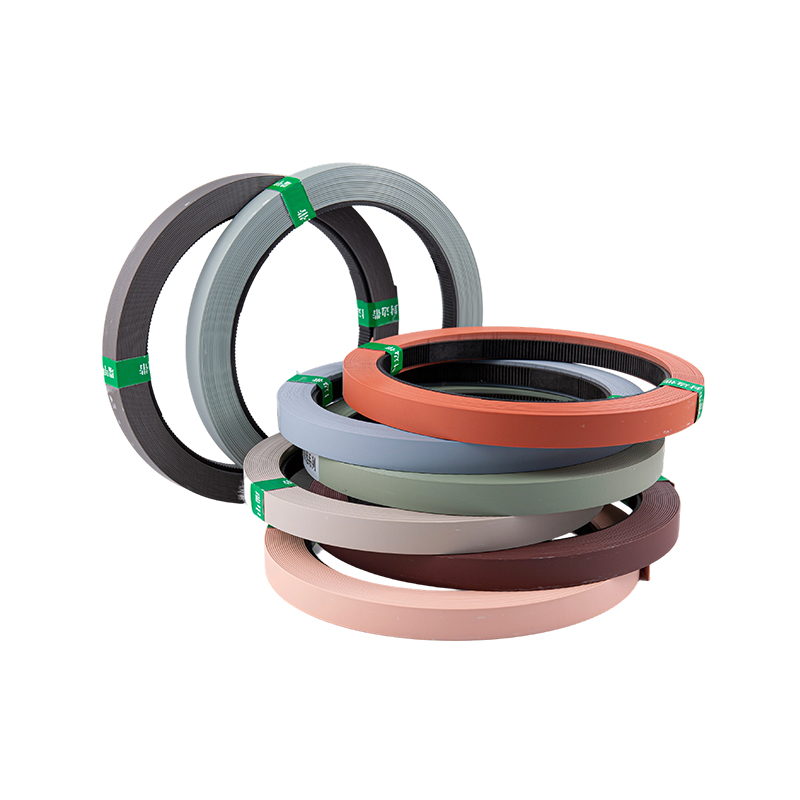
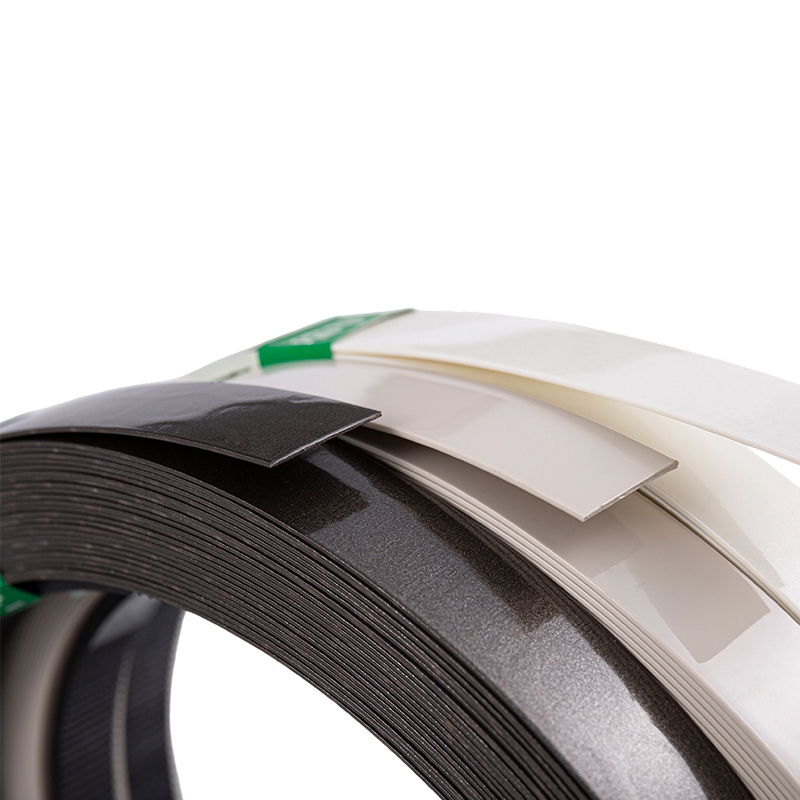
Aluminum film edge banding is made by laminating aluminum film onto PVC or ABS substrates through a special process, presenting a realistic metallic texture and luster. This product features properties such as wear resistance, oil resistance, moisture resistance, and acid-alkali resistance, effectively protecting edges and extending service life. The surface treatment process ensures long-lasting metallic luster without fading or peeling. Aluminum film edge banding is suitable for various substrates, easy to install, and enhances overall decorative effects. This material performs stably in humid or high-frequency use environments, helping maintain surface cleanliness and hygiene.
Core Advantages
Realistic metallic texture and luster, improving decorative aesthetics
Wear resistance, oil resistance, moisture resistance, and acid-alkali resistance, enhancing durability
Special lamination process ensures firm bonding between aluminum film and substrate
Easy installation, suitable for multiple application scenarios
Product Features
Material: Aluminum film laminated on PVC or ABS substrate
Surface Characteristics: Metallic texture, long-lasting luster
Functional Characteristics: Wear resistance, oil resistance, moisture resistance, acid-alkali resistance
Process: Special lamination technology ensures firm bonding
Application Scenarios
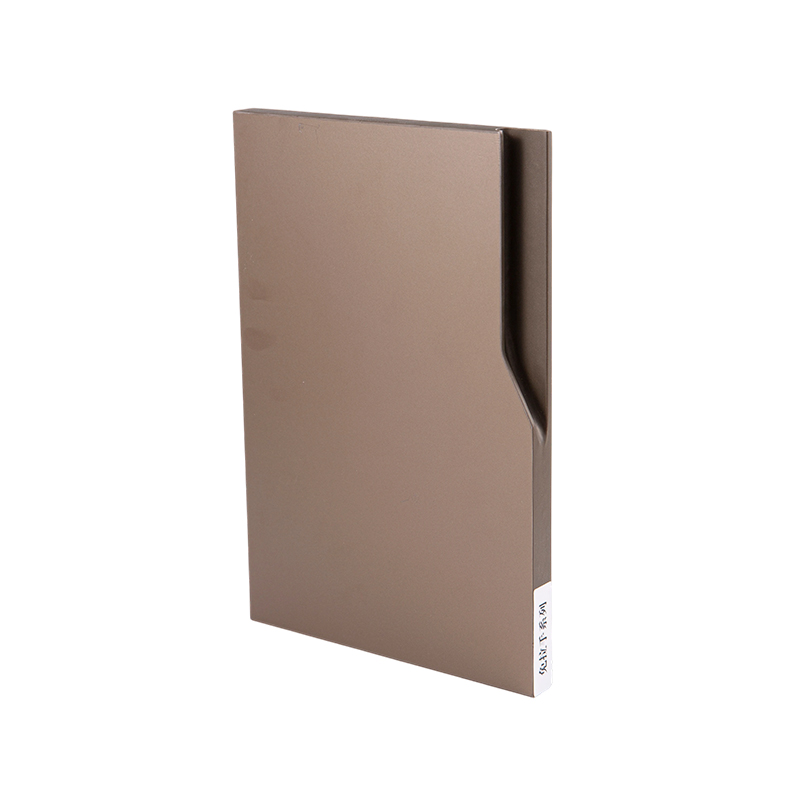
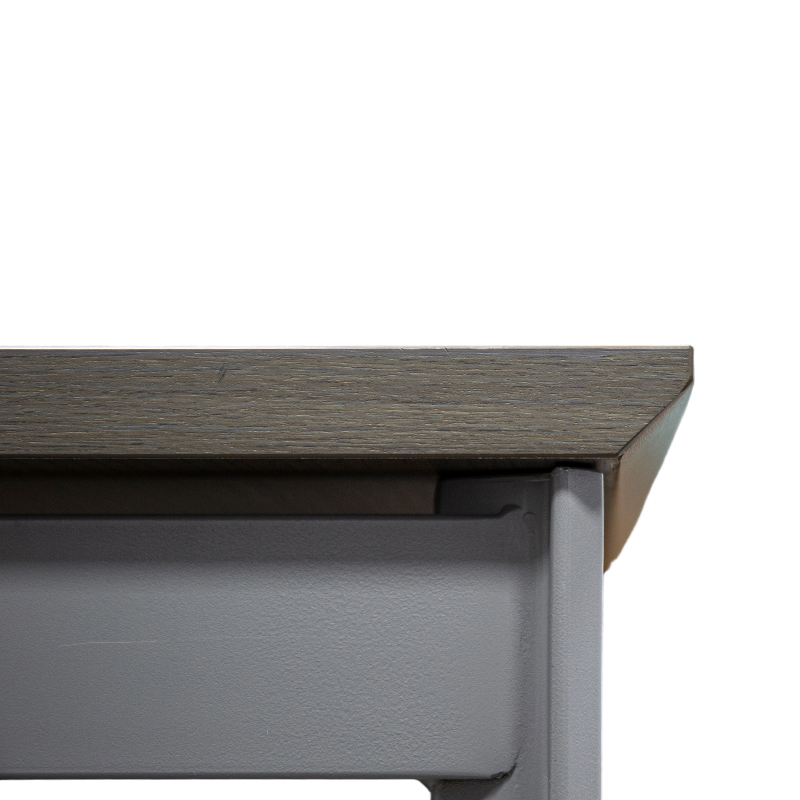
Edge banding treatment in furniture manufacturing
Moisture protection for kitchen and bathroom cabinets
Surface beautification in commercial spaces and residential decorations
Acid-alkali resistant environments in laboratories and medical facilities